





The short answer
If you still have a working bathroom, somewhere quiet to sleep and a way to make simple meals, staying home is usually fine. Plan time away when the only bathroom or the whole main floor is out of service, when hazardous materials are being removed, or when someone in the house is very young, pregnant or has trouble breathing and the work will be dusty.
A kitchen with a temporary kitchen set up elsewhere, a second bathroom, a basement, or an addition that is closed in before it opens into the house.
A whole-home renovation, work on the only bathroom, asbestos or lead paint removal, spray foam insulation, and the days hardwood floors are sanded and finished if fumes bother you.
Project by project
| Project | Staying home | When to plan time away |
|---|---|---|
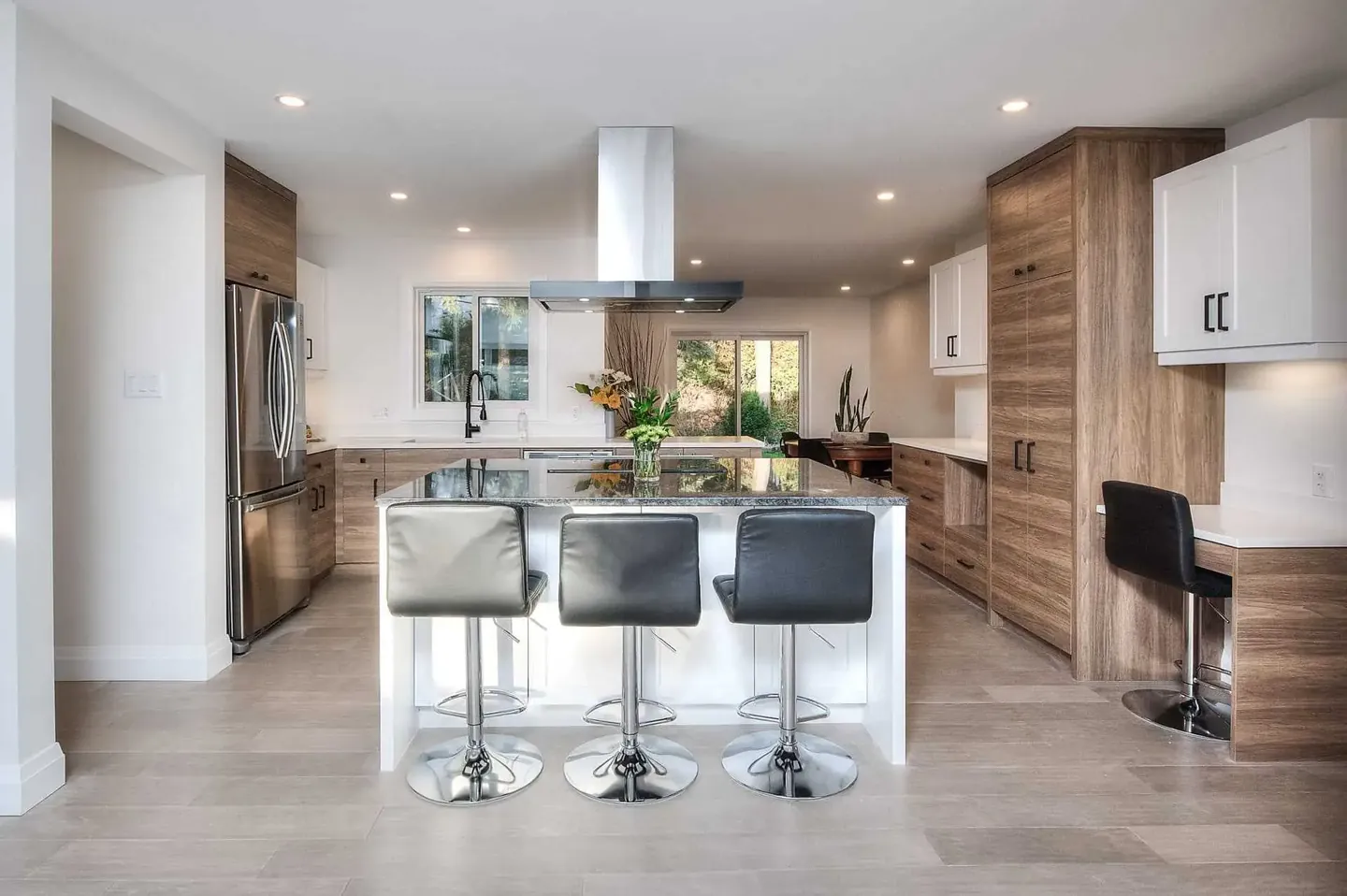
| Kitchen | Usually yes, with a temporary kitchen in the dining room or basement. On a full renovation the on-site work is typically measured in weeks once cabinetry has arrived. | When the kitchen is open to most of the main floor and walls are coming out. |
| Bathroom | Yes, if there is a second bathroom. | When it is the only bathroom. Even a few days without one is hard. |
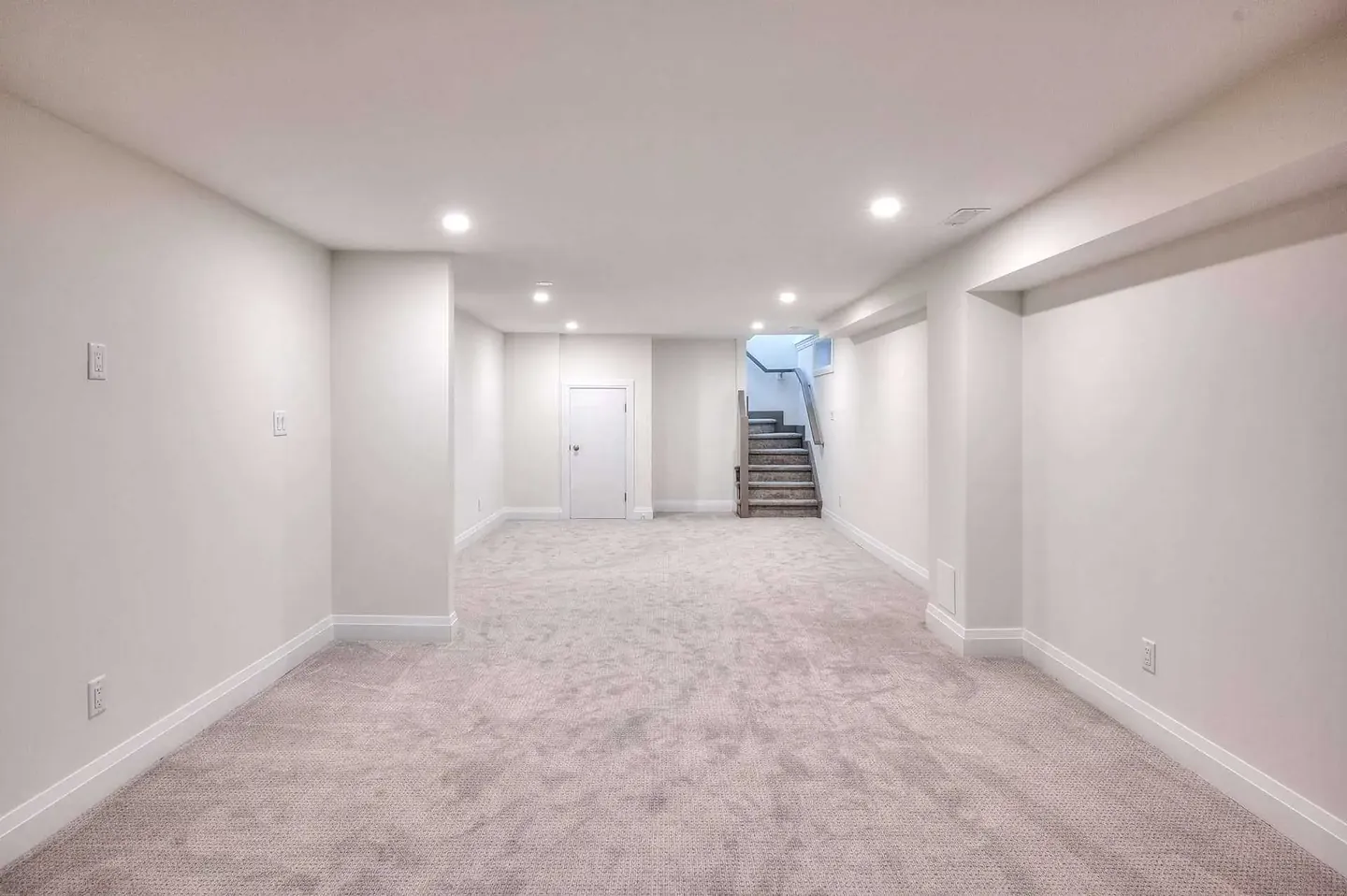
| Basement | Yes. The work is below you and can usually be closed off. | Rarely. Concrete cutting for a new bathroom is loud for a day or two. |
| Rear or side addition | Usually yes. We build the addition as a sealed shell before opening the wall into the house. | The days the wall is opened and the new space is connected. |
| Second-storey addition | Sometimes, for the early stages. | Usually for part of the project, because the roof comes off. |
| Whole-home renovation | Sometimes, if the work can be phased floor by floor. | Often, when the kitchen, bathrooms and main floor are all out of service together. |
| Spray foam insulation | No, not during installation. | Natural Resources Canada says closed-cell foam needs a 24-hour curing and off-gassing period before occupancy resumes. Follow the installer's instructions. |
Your written schedule shows which phases are which, so you can book time away for specific days rather than the whole project. See kitchen renovations, home additions and whole-home renovations for how each type of project runs.
Dust, fumes and hazardous materials
Health Canada's advice for renovations is to keep children, pregnant people and vulnerable adults away from work areas, seal off the work area to limit dust and fumes, open windows or run exhaust fans during and after the work, and clean thoroughly afterwards. That means away from the work area, not necessarily out of the house. Whether a sealed-off room is enough depends on the layout and who lives there.
Lead paint
Health Canada says a home built before 1960 probably contains lead-based paint, and the exterior of a home built between 1960 and 1990 may. Keep children and pregnant people away from the work area, do not sand, heat-gun or torch lead paint, and consider hiring an expert. Even small amounts of dust with lead are dangerous to infants and children.
Asbestos
Before 1990, asbestos was mainly used to insulate homes and buildings, and Health Canada lists products such as vermiculite insulation, plaster, drywall, floor and ceiling tiles, siding, roofing, caulking and pipe insulation. Undisturbed, it poses no significant risk; drilling, sawing and sanding release fibres. Health Canada's advice is to have a professional test before you renovate and to hire a qualified asbestos removal specialist if it is found.
Carbon monoxide
Never run a fuel-burning generator indoors or in a garage or shed (Health Canada says at least 6 metres from buildings), and never use kerosene, propane or oil heaters or lamps in enclosed areas. Make sure carbon monoxide alarms outside sleeping areas stay connected while the work goes on.
Tell your insurer before you start
- Renovations are a change you have to report. The Insurance Bureau of Canada's consumer code says you must promptly tell your insurer about changes in your circumstances, such as renovations. Ontario's insurance regulator lists renovations, "no matter how small," among the things to disclose.
- Thirty days away changes things. The Insurance Bureau of Canada says the main exception to normal coverage is a home left unoccupied for more than 30 days, and you must tell your insurer. In winter it recommends having someone check the house every three days, and warns that a burst-pipe claim could be denied if nobody did.
- Do not count on the policy to pay for the hotel. Additional living expenses coverage pays when an insured loss, such as a fire or flood, makes the home unliveable. A planned renovation is not an insured loss, so moving out by choice is generally your cost. Confirm with your insurer.
Your options, easiest first
- Stay and adapt. Set up a temporary kitchen with the fridge, a microwave, a kettle and a countertop induction plate, and plan simple meals. Keep one bathroom and the bedrooms out of the work zone.
- Live in part of the house. On a main-floor project, many families live upstairs and use the basement or a side entrance, with dust walls between them and the work.
- Stay with family or friends for the loudest or dustiest days only, such as demolition and drywall sanding.
- Rent a furnished place. For a few weeks or more, a furnished monthly rental is often simpler than hotels. In Waterloo, rentals of 30 days or less need a city short-term rental licence and must be in the host's own home, so ask for the licence number. Kitchener decided in June 2025 not to license short-term rentals.
- A hotel with a kitchenette for a handful of nights, timed to the phases that matter.
Timing it so you are away for less
- Order long-lead items first. We order cabinetry, stone and windows before demolition starts, so the house is not open while you wait for deliveries.
- Use the schedule. The written schedule you approve before construction shows which weeks are demolition, rough-in, drywall and finishing. Book time away around the dusty phases, then come back for finishing.
- Plan for pets and small children on loud days. Open doors and moving trades are a bad mix with a curious dog.
- Clear and protect. Move valuables, art and electronics out of the work area before day one. We protect floors and pathways, but empty rooms are easier on everyone.
How we keep a home livable
Most of our clients live at home through their renovation. We set up dust walls, protect floors and pathways, help you plan a temporary kitchen and keep a predictable daily schedule so you know when the crew arrives and leaves. One project manager runs the job from start to finish, so there is always someone to ask what is happening next.
See our process, our permit guide and our guide to planning an addition, or tell us about your project and we will talk through whether staying home makes sense for it.